Domain p-a-y.de kaufen?
Wir ziehen mit dem Projekt
p-a-y.de um.
Sind Sie am Kauf der Domain
p-a-y.de interessiert?
domain@kv-gmbh.de · 0541-91531010
Domain p-a-y.de kaufen?
Il y a de oder il y a des?
La phrase "Il y a de" est utilisée lorsque l'on parle d'une quantité indéterminée ou non spécifiée d'un objet ou d'une chose. Par exemple, "Il y a de l'eau dans le verre" signifie qu'il y a une certaine quantité d'eau dans le verre, mais on ne précise pas combien. La phrase "Il y a des" est utilisée lorsque l'on parle d'une quantité plurielle ou spécifiée d'objets ou de choses. Par exemple, "Il y a des livres sur l'étagère" signifie qu'il y a plusieurs livres sur l'étagère, mais on ne précise pas combien exactement. **
Kannst du beweisen, dass a und p die gleichen Eigenwerte haben, wenn a und p 1 a p sind?
Ja, ich kann beweisen, dass a und p die gleichen Eigenwerte haben, wenn a und p ähnlich sind. Wenn a und p ähnlich sind, bedeutet dies, dass es eine invertierbare Matrix B gibt, so dass p = B^(-1) a B. Da ähnliche Matrizen die gleichen Eigenwerte haben, folgt daraus, dass a und p die gleichen Eigenwerte haben. **
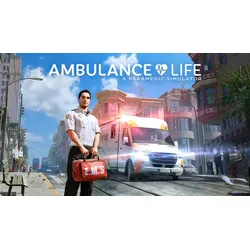

Ähnliche Suchbegriffe für Ambulance-Life-A-Paramedic
Top-Angebote
Produkte zum Begriff Ambulance-Life-A-Paramedic:
-
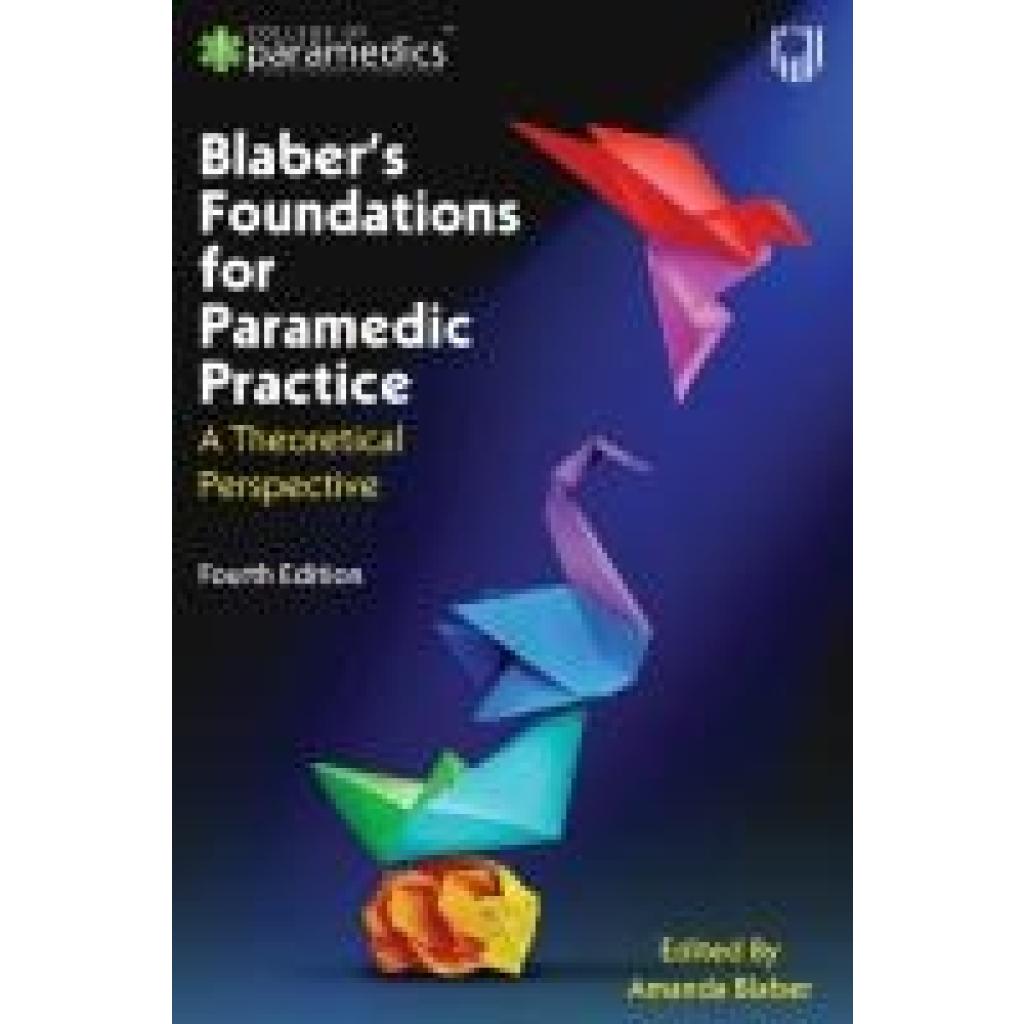
Blaber, Amanda: Blaber's Foundations for Paramedic Practice: A Theoretical Perspective 4eBlaber's Foundations for Paramedic Practice: A Theoretical Perspective 4e , " Blaber's Foundations for Paramedic Practice, 4th Edition is an essential resource for students undertaking their journey into paramedic science." Sarah Lewis-Tulett RN, RM, PGCert, MSc, SFHEA. Associate Dean, University of Brighton, UK "The fourth edition of Blaber's Foundations for Paramedic Practice has been constructed by an incredible wealth of knowledgeable healthcare practitioners, who have captured the true essence for being an operation paramedic on today's front-line service." Jason Sadler, Swansea University, Senior Lecturer, Year One Lead, UK This bestselling undergraduate level book is an ideal resource for student paramedics looking for an excellent introduction to the main theoretical subjects studied in paramedic courses, and links practice issues to the all-important theory base. The chapters bring to life a wide variety of academic subjects, making complex subjects easily readable and encourage reflection on how theory fits with practice. This fourth edition ties into the 2023 NHS Workforce Plan and has been thoroughly revised throughout to include new chapters on Frailty in the Pre-Hospital Environment, Remote Decision Making, Telehealth and Virtual Digital Health and Practice-Based Learning. This new edition also covers: Ethics and law for the paramedic Reflective practice and interpersonal communication Using clinical audit to improve patient care, research and evidence-based practice Mental health: children, young people and adults Psycho-social aspects of healthcare and illness Care of vulnerable adults, including people living with dementia Caring for patients at the end of their lives Safeguarding children and adults Managing change, decision-making and leadership theory Continuing professional development: pre- and post-registration Written by a team of experienced paramedics, specialist health care professionals and doctors from across the UK, the book includes numerous links to practice, a wide selection of case studies and examples which encourage you to 'stop and think' and reflect upon your practice and life experience. Blaber's Foundations for Paramedic Practice: A Theoretical Perspective , Fourth Edition is a core text for student paramedics and a valuable resource for students of all allied health professions. Amanda Blaber has many years of experience in several higher education institutions, lecturing nurses and paramedics in healthcare subjects, on both undergraduate and postgraduate courses. She is an Honorary Fellow of the College of Paramedics and Senior Fellow of the Higher Education Academy. , > , Auflage: 4. Auflage, Erscheinungsjahr: 20241220, Autoren: Blaber, Auflage: 25004, Auflage/Ausgabe: 4. Auflage, Keyword: <span style="font-family: Arial; font-size: 13.3333px; white-space-collapse: preserve; background-color: rgb(255, 255, 255); ">Paramedic Theory, Paramedic Practice, Paramedic Science, Paramedic Practice, Paramedic study, paramedic education, paramedics, student paramedics, Ethics, law, Reflective practice, reflection, communication, Professional issues, professional development, clinical audit, governance, anti-discriminatory practice, Psychological perspectives, health, ill health, allied health, Social factors, care, vulnerable adults, end of life care, Safeguarding, Managing change, decision making, leadership, leadership theory</span>, Fachschema: Akutmedizin~Medizin / Notfallmedizin~Notarzt~Notfallmedizin~Rettungsdienst, Fachkategorie: Soziale Dienste und Sozialwesen, Kriminologie~Erste Hilfe, Rettungsdienst, Imprint-Titels: Open University Press, Warengruppe: HC/Medizin/Allgemeines, Lexika, UNSPSC: 49019900, Warenverzeichnis für die Außenhandelsstatistik: 49019900, Länge: 230, Breite: 153, Höhe: 28, Gewicht: 697, Produktform: Kartoniert, Genre: Importe,38,54 €*Versand: 0,00 €Sichere Weiterleitung zum Anbieter



-
Was bedeutet P A B?
Was bedeutet P A B? Diese Abkürzung steht für "Bitte um Antwort" und wird häufig in schriftlicher Kommunikation verwendet, um darauf hinzuweisen, dass eine Antwort erwartet wird. Es ist eine höfliche Art, den Gesprächspartner dazu aufzufordern, auf eine gestellte Frage oder Bitte zu antworten. Indem man P A B hinzufügt, zeigt man, dass einem die Meinung oder Rückmeldung des anderen wichtig ist und man auf eine Reaktion wartet. Es dient also der Klarstellung und Förderung einer effektiven Kommunikation. **
-
Kennt ihr ähnliche Lieder wie "How to Save a Life"?
Ja, es gibt viele ähnliche Lieder wie "How to Save a Life" von The Fray. Einige Beispiele sind "Chasing Cars" von Snow Patrol, "Fix You" von Coldplay und "The Scientist" ebenfalls von Coldplay. Diese Lieder haben ähnliche emotionale und introspektive Texte und sind im Indie-Rock/Pop-Stil gehalten. **
-
Gilt eine zufällig ausgewählte Person, die aus Gruppe A stammt, als Person aus Gruppe A (P(A|B)) oder als Person aus Gruppe B (P(B|A))?
Eine zufällig ausgewählte Person aus Gruppe A gilt als Person aus Gruppe A (P(A|B)), da sie aus dieser Gruppe stammt. Die Wahrscheinlichkeit, dass sie auch zu Gruppe B gehört (P(B|A)), kann nicht direkt abgeleitet werden, da keine Informationen über die Verteilung der Personen in den Gruppen vorliegen. **
-
Wie heißt dieses Lied? A A A A A.
Es tut mir leid, aber ohne weitere Informationen kann ich nicht sagen, wie das Lied heißt. Bitte gib mehr Informationen über den Text, den Künstler oder andere Details, die helfen könnten, das Lied zu identifizieren. **


Wie lautet die richtige grammatische Wiedergabe von "x y a x y b a b"?
Die richtige grammatische Wiedergabe von "x y a x y b a b" könnte sein: "X, Y, A, X, Y, B, A, B." **
Gilt eine zufällig ausgewählte Person, die aus Gruppe A stammt, als Person aus Gruppe A (P(A|B)) oder als Person, die zufällig ausgewählt wurde und aus Gruppe A stammt (P(B|A
Eine zufällig ausgewählte Person, die aus Gruppe A stammt, gilt als Person aus Gruppe A (P(A|B)). Die Wahrscheinlichkeit, dass eine Person, die zufällig ausgewählt wurde, aus Gruppe A stammt (P(B|A)), hängt von der Verteilung der Gruppen in der Gesamtbevölkerung ab. **
Top-Angebote
Produkte zum Begriff Ambulance-Life-A-Paramedic:
-
Blaber, Amanda: Blaber's Foundations for Paramedic Practice: A Theoretical Perspective 4eBlaber's Foundations for Paramedic Practice: A Theoretical Perspective 4e , " Blaber's Foundations for Paramedic Practice, 4th Edition is an essential resource for students undertaking their journey into paramedic science." Sarah Lewis-Tulett RN, RM, PGCert, MSc, SFHEA. Associate Dean, University of Brighton, UK "The fourth edition of Blaber's Foundations for Paramedic Practice has been constructed by an incredible wealth of knowledgeable healthcare practitioners, who have captured the true essence for being an operation paramedic on today's front-line service." Jason Sadler, Swansea University, Senior Lecturer, Year One Lead, UK This bestselling undergraduate level book is an ideal resource for student paramedics looking for an excellent introduction to the main theoretical subjects studied in paramedic courses, and links practice issues to the all-important theory base. The chapters bring to life a wide variety of academic subjects, making complex subjects easily readable and encourage reflection on how theory fits with practice. This fourth edition ties into the 2023 NHS Workforce Plan and has been thoroughly revised throughout to include new chapters on Frailty in the Pre-Hospital Environment, Remote Decision Making, Telehealth and Virtual Digital Health and Practice-Based Learning. This new edition also covers: Ethics and law for the paramedic Reflective practice and interpersonal communication Using clinical audit to improve patient care, research and evidence-based practice Mental health: children, young people and adults Psycho-social aspects of healthcare and illness Care of vulnerable adults, including people living with dementia Caring for patients at the end of their lives Safeguarding children and adults Managing change, decision-making and leadership theory Continuing professional development: pre- and post-registration Written by a team of experienced paramedics, specialist health care professionals and doctors from across the UK, the book includes numerous links to practice, a wide selection of case studies and examples which encourage you to 'stop and think' and reflect upon your practice and life experience. Blaber's Foundations for Paramedic Practice: A Theoretical Perspective , Fourth Edition is a core text for student paramedics and a valuable resource for students of all allied health professions. Amanda Blaber has many years of experience in several higher education institutions, lecturing nurses and paramedics in healthcare subjects, on both undergraduate and postgraduate courses. She is an Honorary Fellow of the College of Paramedics and Senior Fellow of the Higher Education Academy. , > , Auflage: 4. Auflage, Erscheinungsjahr: 20241220, Autoren: Blaber, Auflage: 25004, Auflage/Ausgabe: 4. Auflage, Keyword: <span style="font-family: Arial; font-size: 13.3333px; white-space-collapse: preserve; background-color: rgb(255, 255, 255); ">Paramedic Theory, Paramedic Practice, Paramedic Science, Paramedic Practice, Paramedic study, paramedic education, paramedics, student paramedics, Ethics, law, Reflective practice, reflection, communication, Professional issues, professional development, clinical audit, governance, anti-discriminatory practice, Psychological perspectives, health, ill health, allied health, Social factors, care, vulnerable adults, end of life care, Safeguarding, Managing change, decision making, leadership, leadership theory</span>, Fachschema: Akutmedizin~Medizin / Notfallmedizin~Notarzt~Notfallmedizin~Rettungsdienst, Fachkategorie: Soziale Dienste und Sozialwesen, Kriminologie~Erste Hilfe, Rettungsdienst, Imprint-Titels: Open University Press, Warengruppe: HC/Medizin/Allgemeines, Lexika, UNSPSC: 49019900, Warenverzeichnis für die Außenhandelsstatistik: 49019900, Länge: 230, Breite: 153, Höhe: 28, Gewicht: 697, Produktform: Kartoniert, Genre: Importe,38,54 €*Versand: 0,00 €Sichere Weiterleitung zum Anbieter
-
Il y a de oder il y a des?
La phrase "Il y a de" est utilisée lorsque l'on parle d'une quantité indéterminée ou non spécifiée d'un objet ou d'une chose. Par exemple, "Il y a de l'eau dans le verre" signifie qu'il y a une certaine quantité d'eau dans le verre, mais on ne précise pas combien. La phrase "Il y a des" est utilisée lorsque l'on parle d'une quantité plurielle ou spécifiée d'objets ou de choses. Par exemple, "Il y a des livres sur l'étagère" signifie qu'il y a plusieurs livres sur l'étagère, mais on ne précise pas combien exactement. **
-
Kannst du beweisen, dass a und p die gleichen Eigenwerte haben, wenn a und p 1 a p sind?
Ja, ich kann beweisen, dass a und p die gleichen Eigenwerte haben, wenn a und p ähnlich sind. Wenn a und p ähnlich sind, bedeutet dies, dass es eine invertierbare Matrix B gibt, so dass p = B^(-1) a B. Da ähnliche Matrizen die gleichen Eigenwerte haben, folgt daraus, dass a und p die gleichen Eigenwerte haben. **
-
Was bedeutet P A B?
Was bedeutet P A B? Diese Abkürzung steht für "Bitte um Antwort" und wird häufig in schriftlicher Kommunikation verwendet, um darauf hinzuweisen, dass eine Antwort erwartet wird. Es ist eine höfliche Art, den Gesprächspartner dazu aufzufordern, auf eine gestellte Frage oder Bitte zu antworten. Indem man P A B hinzufügt, zeigt man, dass einem die Meinung oder Rückmeldung des anderen wichtig ist und man auf eine Reaktion wartet. Es dient also der Klarstellung und Förderung einer effektiven Kommunikation. **
-
Kennt ihr ähnliche Lieder wie "How to Save a Life"?
Ja, es gibt viele ähnliche Lieder wie "How to Save a Life" von The Fray. Einige Beispiele sind "Chasing Cars" von Snow Patrol, "Fix You" von Coldplay und "The Scientist" ebenfalls von Coldplay. Diese Lieder haben ähnliche emotionale und introspektive Texte und sind im Indie-Rock/Pop-Stil gehalten. **
Ähnliche Suchbegriffe für Ambulance-Life-A-Paramedic
-
Gilt eine zufällig ausgewählte Person, die aus Gruppe A stammt, als Person aus Gruppe A (P(A|B)) oder als Person aus Gruppe B (P(B|A))?
Eine zufällig ausgewählte Person aus Gruppe A gilt als Person aus Gruppe A (P(A|B)), da sie aus dieser Gruppe stammt. Die Wahrscheinlichkeit, dass sie auch zu Gruppe B gehört (P(B|A)), kann nicht direkt abgeleitet werden, da keine Informationen über die Verteilung der Personen in den Gruppen vorliegen. **
-
Wie heißt dieses Lied? A A A A A.
Es tut mir leid, aber ohne weitere Informationen kann ich nicht sagen, wie das Lied heißt. Bitte gib mehr Informationen über den Text, den Künstler oder andere Details, die helfen könnten, das Lied zu identifizieren. **
-
Wie lautet die richtige grammatische Wiedergabe von "x y a x y b a b"?
Die richtige grammatische Wiedergabe von "x y a x y b a b" könnte sein: "X, Y, A, X, Y, B, A, B." **
-
Gilt eine zufällig ausgewählte Person, die aus Gruppe A stammt, als Person aus Gruppe A (P(A|B)) oder als Person, die zufällig ausgewählt wurde und aus Gruppe A stammt (P(B|A
Eine zufällig ausgewählte Person, die aus Gruppe A stammt, gilt als Person aus Gruppe A (P(A|B)). Die Wahrscheinlichkeit, dass eine Person, die zufällig ausgewählt wurde, aus Gruppe A stammt (P(B|A)), hängt von der Verteilung der Gruppen in der Gesamtbevölkerung ab. **
* Alle Preise verstehen sich inklusive der gesetzlichen Mehrwertsteuer und ggf. zuzüglich Versandkosten. Die Angebotsinformationen basieren auf den Angaben des jeweiligen Shops und werden über automatisierte Prozesse aktualisiert. Eine Aktualisierung in Echtzeit findet nicht statt, so dass es im Einzelfall zu Abweichungen kommen kann. ** Hinweis: Teile dieses Inhalts wurden von KI erstellt.